
If you own a petrol car in India, you have probably heard a lot about E20 petrol recently.
Some car owners are worried about lower mileage. Others are concerned about engine life, fuel-system components and whether older petrol cars can safely run on E20. At the same time, the government and automobile industry have stated that E20 has undergone extensive testing and is safe for compatible vehicles.
So, what should an ordinary car owner actually believe?
The answer is not as simple as saying that E20 is either “good” or “bad”.
The most important question is: Is your car designed and approved to run on E20 fuel?
In this guide, we explain what E20 means, why India has moved towards higher ethanol blending, how it can affect mileage and older vehicles, and what you should check before filling up your car.
What Is E20 Petrol?
E20 refers to petrol blended with up to 20% ethanol and around 80% petrol. The “E” stands for ethanol, while the number represents the approximate percentage of ethanol in the fuel blend. So:
- E10 = up to 10% ethanol
- E20 = up to 20% ethanol
Ethanol is an alcohol-based fuel that can be produced from agricultural feedstocks. India has been increasing ethanol blending as part of its broader Ethanol Blended Petrol programme. The transition to E20 has been gradual rather than sudden. India’s ethanol-blending programme began much earlier, and the blending level has increased over the years.
Why Is India Moving Towards E20?
1. Reduce Dependence on Imported Crude Oil
India imports a significant portion of its crude oil requirements. Increasing the use of domestically produced ethanol can help reduce the amount of petroleum fuel required.
2. Support Domestic Ethanol Production
Ethanol can be produced from agricultural feedstocks. A larger ethanol market can therefore create additional demand for domestic production.
3. Reduce Emissions
Ethanol blending is also part of India’s efforts to reduce the environmental impact of transport fuels.
4. Reduce Foreign Exchange Outflow
Using more domestically produced ethanol can potentially reduce expenditure on imported petroleum products. The government says the ethanol-blending programme has been pursued for energy security, reduction in crude-oil imports and environmental benefits.
E20 vs E10 Petrol: What’s the Difference?
| Feature | E10 Petrol | E20 Petrol |
|---|---|---|
| Ethanol content | Up to 10% | Up to 20% |
| Petrol content | Higher | Lower |
| Energy per litre | Relatively higher | Relatively lower |
| Vehicle compatibility | Wider compatibility with older vehicles | Requires E20-compatible specification |
| Mileage impact | Vehicle dependent | Vehicle dependent |
| Purpose | Earlier ethanol-blend standard | Higher ethanol-blend standard |
The important point is that E20 isn’t simply “normal petrol with a different name.” The higher ethanol content means vehicle compatibility and manufacturer recommendations become more important, particularly for older vehicles.
Does E20 Petrol Reduce Mileage?
This is another major concern among car owners. The reason is relatively simple: ethanol contains less energy per litre than petrol. As a result, the amount of energy available from a litre of E20 can be lower than that of a lower-ethanol petrol blend. But that does not mean every car will experience the same mileage reduction. Your actual fuel economy depends on several factors, including:
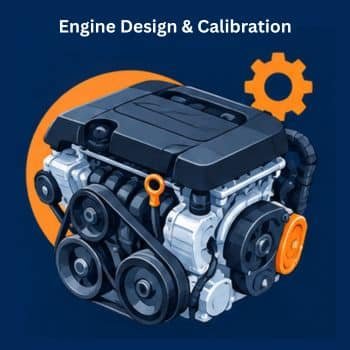
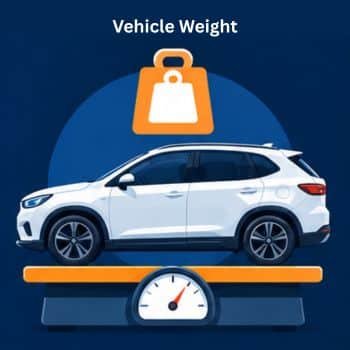

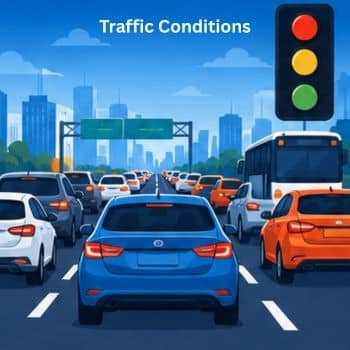
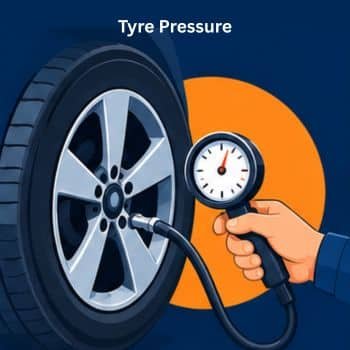
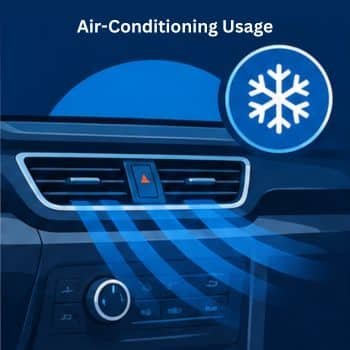
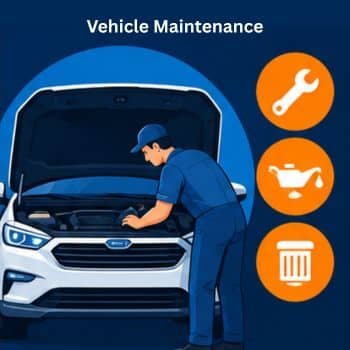
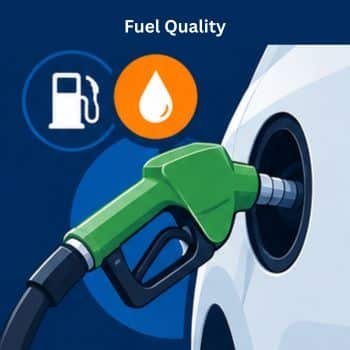
Learn more in our guide on
How to Improve Your Car’s Fuel Efficiency: 15 Proven Tips to Get Better Mileage in India
Can E20 Petrol Damage Your Engine?
This is one of the biggest concerns among car owners. The answer is not simply yes or no.
If a petrol car is designed and approved for E20, the engine and fuel system are developed to work with that fuel specification. The bigger question is what happens with older vehicles that were designed for lower ethanol blends. Possible concerns can include:
- Compatibility of fuel-system materials
- Age and condition of rubber components
- Fuel hoses and seals
- Fuel-system deposits or contamination
- Changes in fuel economy
- Long-term storage of fuel
This does not mean that an older car will automatically suffer engine damage from E20. It means that owners of older vehicles should follow the manufacturer’s fuel recommendation rather than assuming that every petrol car has exactly the same compatibility.
Should You Use Fuel Additives With E20?
You may come across products claiming to:
- Reduce E20-related problems
- Improve mileage
- Protect the engine
- Remove ethanol
- Convert E20 into E10
Be cautious.
You should not assume that an aftermarket fuel additive is necessary simply because your petrol contains ethanol. Unless your vehicle manufacturer specifically recommends a particular product, don’t add chemicals to the fuel tank based on social-media advice or unverified claims.
The 5 Things You Should Remember About E20 Petrol
E20 means petrol blended with up to 20% ethanol.
Older vehicles should be checked against the manufacturer’s recommendation.
E20 compatibility and fuel quality are two different issues.
Older vehicles should be checked against the manufacturer’s recommendation.
E20 can affect fuel economy because ethanol contains less energy per litre, but the actual impact varies by vehicle and driving conditions.
E20 Petrol – Facts vs Myths
There is a lot of information about E20 petrol on social media, but not everything you read online is accurate.
Myth 1: E20 Petrol Will Damage Every Old Car
Fact: Not every older petrol car will react in the same way.
Myth 2: E20 Always Gives Much Lower Mileage
Fact: E20 can affect fuel economy because ethanol contains less energy per litre than petrol.
Myth 3: Automatic Cars Are More Affected by E20
Fact: E20 compatibility is not determined simply by whether your car is manual or automatic.
Myth 4: You Must Buy a Fuel Additive for E20
Fact: There is no general reason to add an aftermarket fuel additive simply because you are using E20.
Myth 5: E20 and Fuel Contamination Are the Same Issue
Fact: They are completely different.
Frequently Asked Questions (FAQs)
Is E20 petrol safe for cars?
Yes, E20-compatible vehicles are designed to operate on E20 fuel. For older petrol cars, compatibility should be checked with the manufacturer because vehicles were introduced with different ethanol-blend specifications over time.
Does E20 petrol reduce mileage?
It can affect fuel economy because ethanol has lower energy content per litre than petrol.
However, the actual impact varies between vehicles and depends on engine calibration, driving conditions, traffic, tyre pressure and maintenance.
Is E20 petrol safe for old cars?
It depends, older vehicles may have been designed for lower ethanol blends, so owners should check the manufacturer’s recommendation before assuming that E20 is suitable.
What should I do if I am unsure whether my car supports E20?
Check your owner’s manual and contact the vehicle manufacturer’s authorised service centre. Give them your exact model, variant and manufacturing year and ask whether the vehicle is approved for E20. Don’t rely on a generic internet claim.
Should You Be Worried About E20 Petrol?
For most owners of newer E20-compatible petrol cars, there is no reason to panic. The situation is different for older vehicles because compatibility can vary.