
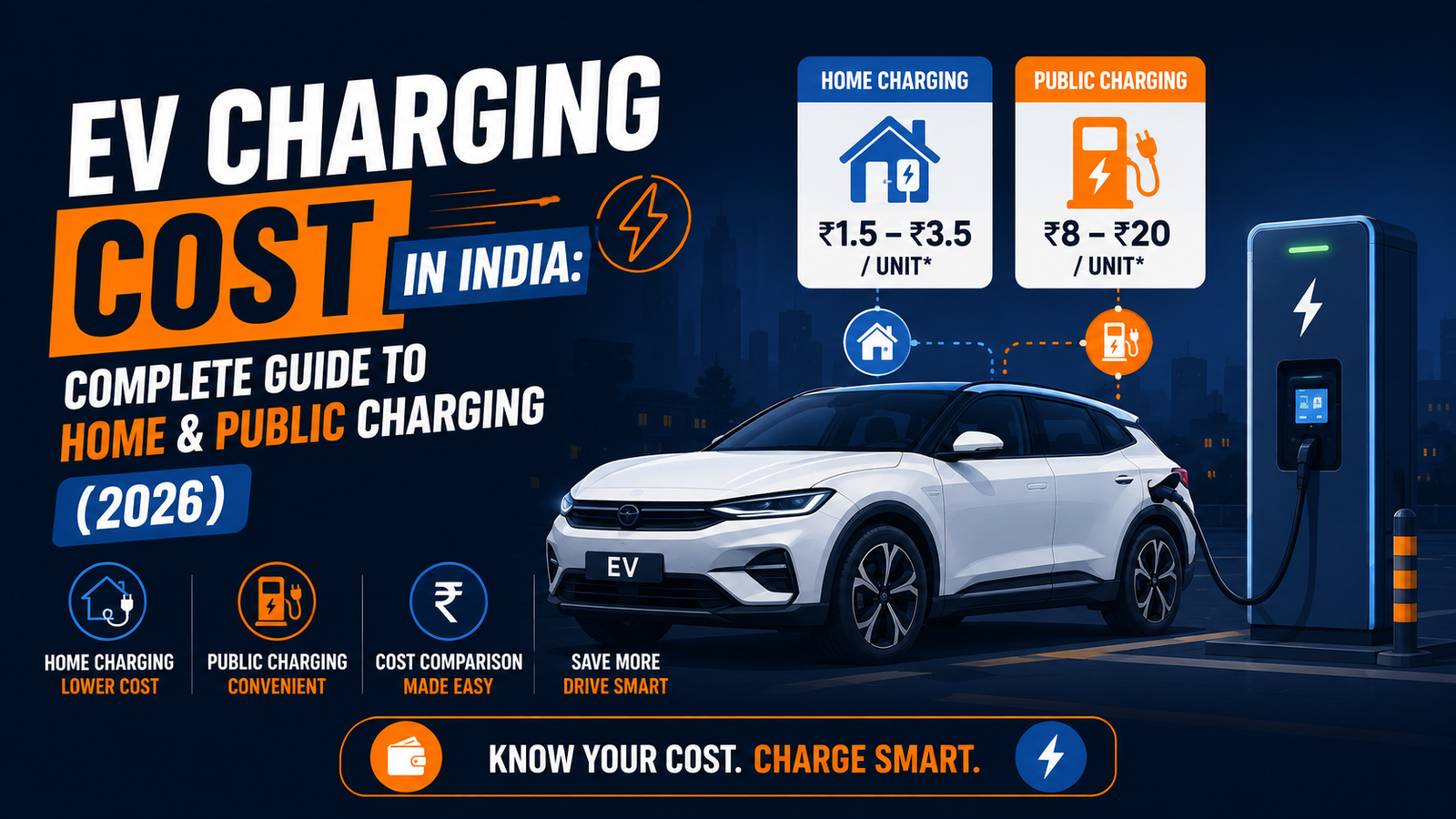
One of the biggest question people have before buying an electric car is simple: How much does it actually cost to charge an EV in India?
At first glance, electric cars appear significantly cheaper to run than petrol or diesel cars. But the actual running cost depends on several factors, including your car’s battery capacity, electricity tariff, charging efficiency, driving range and whether you charge at home or use public charging stations.
For example, charging an electric car at home is generally different from using a public fast charger. Your electricity tariff also varies depending on your location and connection, which means two EV owners driving the same car can have different charging costs. This makes understanding the EV charging cost in India important before deciding whether an electric car is financially suitable for you. The good news is that calculating your charging cost is relatively simple once you understand the basic numbers.
In this guide, we’ll explain how EV charging costs are calculated, how much home and public charging can cost, what affects the final bill and how EV running costs compare with petrol and diesel cars.
Quick Answer
The cost of charging an electric car depends mainly on battery capacity, electricity price, charging losses and where you charge the vehicle. A simple calculation is:
Charging Cost = Electricity Used (kWh) × Electricity Tariff (₹/kWh)
For example, if an EV uses 30 kWh of electricity and your effective electricity tariff is ₹8 per kWh, the basic electricity cost would be: 30 × ₹8 = ₹240
However, the actual amount drawn from the electricity supply can be slightly higher than the battery’s usable capacity because some energy is lost during charging. Home charging is generally the most economical option, while public fast charging can cost more but offers significantly faster charging.
🚗 AutoDesiHub Expert Tip
Don’t compare EV charging cost only by looking at the battery size. For a meaningful comparison, calculate the cost per KM using the vehicle’s real-world energy consumption.
Table of Contents
What Determines the EV Charging Cost in India?
There isn’t one fixed price for charging an electric car. The final cost depends on several factors.
Battery Capacity
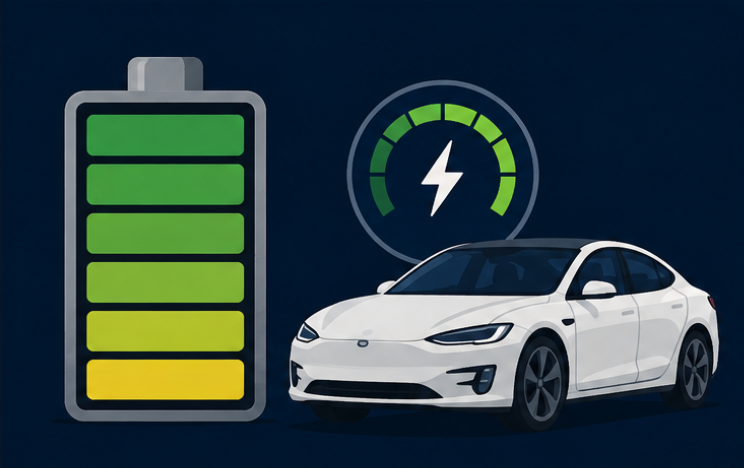
The battery capacity is measured in kilowatt-hours (kWh).
A larger battery can store more energy, but a full charge will generally require more electricity. For example:
- A 30 kWh battery needs less electricity for a full charge than a 60 kWh battery.
- However, the larger battery may also provide a longer driving range.
Therefore, battery size alone doesn’t tell you whether an EV is economical.
Electricity Tariff
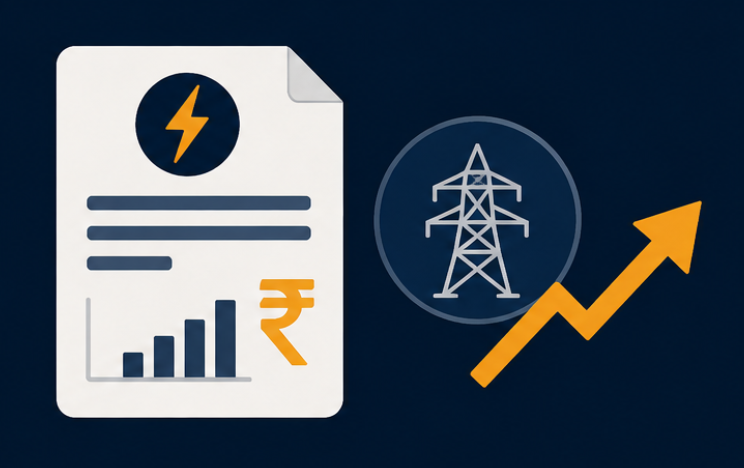
Your electricity tariff is one of the most important factors when charging an EV at home. Electricity prices vary depending on:
- State
- Electricity distribution company
- Domestic tariff slab
- Monthly electricity consumption
- Applicable taxes and charges
This means home EV charging cost can differ considerably between households.
Charging Location
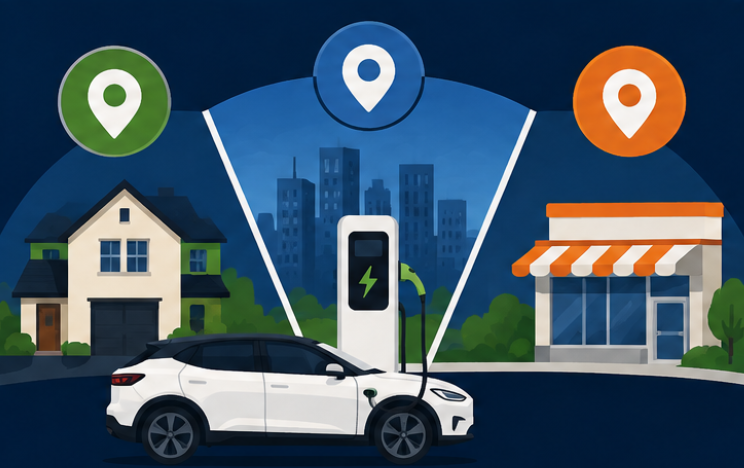
Where you charge your EV can make a significant difference. There are generally three common charging situations:
- Home charging – Usually the most convenient and economical option for people who have suitable parking and access to electricity.
- Public AC charging – Useful when home charging isn’t available or when you’re travelling.
- Public DC fast charging – Useful for highway travel and situations where you need to charge the vehicle quickly, but the cost can be higher than home charging.
Charging Losses
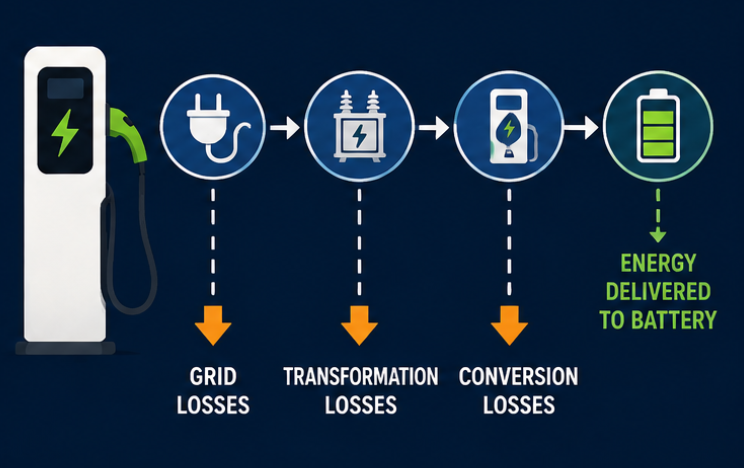
Not all electricity taken from the grid reaches the battery. Some energy is lost during the charging process as heat and through the operation of the charging equipment and vehicle systems.
Therefore, if your battery stores 30 kWh, you should not automatically assume that exactly 30 kWh will be drawn from your electricity supply.
This is an important factor when calculating the actual EV charging cost in India.
How Is EV Charging Cost Calculated?
Basic Formula
Charging Cost = Electricity Consumed × Electricity Tariff
Let’s take a simple example. Suppose:
- Electricity consumed = 30 kWh
- Electricity tariff = ₹8/kWh
Then:
30 × ₹8 = ₹240
So, the basic charging cost would be ₹240.
However, remember that the electricity consumed from the grid may be higher than the energy actually stored in the battery because of charging losses.
How to Calculate Cost Per Kilometre
This is actually more useful for comparing an EV with a petrol or diesel car. Suppose an electric car consumes:
15 kWh per 100 km
And your effective electricity cost is: ₹8 per kWh
Then: 15 × ₹8 = ₹120 per 100 km
Therefore: ₹120 ÷ 100 = ₹1.20 per km
So the estimated electricity cost is approximately ₹1.20 per KM, before considering charging losses and other ownership costs. This is the number you should compare with the fuel cost per KM of a petrol or diesel car.
Home EV Charging Cost in India
For most EV owners, home charging is likely to be the most important part of their charging strategy. If you park your car at home overnight and have access to a suitable charging setup, you can plug in the vehicle after returning from work and have it ready for the next day.
The actual home EV charging cost depends primarily on your electricity tariff and how much energy your vehicle consumes.
For example, if your car requires 20 kWh of electricity and your effective tariff is ₹8 per kWh: 20 × ₹8 = ₹160
That would be the basic electricity cost before accounting for charging losses.
Why Home Charging Can Be More Economical
Home charging can offer several advantages:
- You don’t need to visit a charging station for routine charging.
- You can charge overnight.
- You can use your regular domestic electricity connection where appropriate.
- The cost can be lower than public charging.
- You can start each day with a charged vehicle.
However, the installation of a dedicated home charger may involve an initial cost, depending on the vehicle and your electrical setup.
Public EV Charging Cost in India
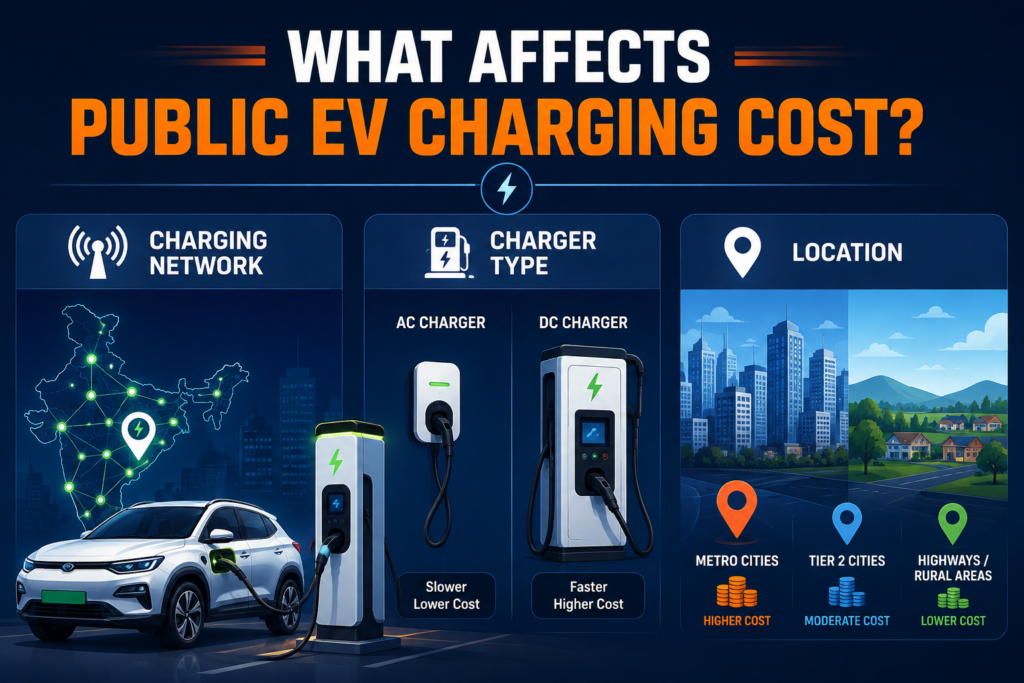
Public charging becomes important for people who cannot charge at home and for EV owners travelling longer distances. Public charging stations may offer different charging speeds and pricing models.
You may encounter:
- AC charging
- DC fast charging
- Different pricing per kWh
- Session or connection charges
- Parking charges at some locations
Therefore, public EV charging cost cannot be represented by one universal rate across India. Before using a public charger, check the pricing displayed by the charging network or app.
Home Charging vs Public Charging
| Factor | Home Charging | Public Charging |
|---|---|---|
| Cost | Generally lower | Can be higher |
| Convenience | Excellent for daily use | Useful when travelling |
| Charging Speed | Usually slower | AC or fast DC options |
| Availability | Depends on home setup | Depends on charging network |
| Best For | Daily commuting | Long-distance travel |
| Payment | Electricity bill | Charging network/app |
⭐ AutoDesiHub Recommends
If you own an EV and have suitable home parking, use home charging for your regular daily driving and keep public fast charging primarily for longer journeys or situations where you need a quick top-up.
Real-World EV Charging Cost – Examples
Knowing the formula is useful, but most buyers want to know one thing: “How much will I actually spend every month?”
The answer depends on how much you drive and how efficiently your EV uses electricity. Let’s look at some simple examples.
Small EV
Suppose an electric car has:
- Battery capacity: 30 kWh
- Usable energy consumption: 15 kWh/100 km
- Effective home electricity tariff: ₹8/kWh
For 100 km: 15 × ₹8 = ₹120
So, the basic electricity cost is approximately:
₹1.20 per km
For 1,500 km: 1,500 × ₹1.20 = ₹1,800
Actual electricity consumption from the grid can be somewhat higher because of charging losses.
Mid-Size EV
Suppose another EV consumes approximately 18 kWh/100 km.
At ₹8 per kWh:
18 × ₹8 = ₹144 per 100 km
That’s approximately: ₹1.44 per km
For 1,500 km per month:
1,500 × ₹1.44 = ₹2,160
Again, actual billing can be higher depending on charging losses and your electricity tariff.
High – Consumption EV
Consider an EV consuming 22 kWh/100 km.
At ₹8 per kWh:
22 × ₹8 = ₹176 per 100 km
That’s approximately: ₹1.76 per km
At 1,500 km per month: ₹2,640
These examples demonstrate why energy efficiency is just as important as battery capacity when calculating EV running costs.
How Much Does It Cost to Charge an EV at Home?
The easiest way to estimate your home EV charging cost is to use your actual electricity tariff. For example, assume your EV requires approximately 18 kWh to travel 100 km.
| Electricity Tariff | Cost per 100 km* |
|---|---|
| ₹6/kWh | ₹108 |
| ₹8/kWh | ₹144 |
| ₹10/kWh | ₹180 |
| ₹12/kWh | ₹216 |
This table shows why the same EV can have different running costs for different owners. A household paying ₹6 per unit and another paying ₹10 per unit will not have the same charging expense.
How Much Does EV Charging Cost Per Month?
Your monthly charging expense depends primarily on:
Monthly kilometres × EV energy consumption × electricity tariff
Suppose you drive: 1,200 km per month
Your EV consumes: 18 kWh/100 km
Your electricity tariff is: ₹8/kWh
Electricity required: 1,200 × 18 ÷ 100 = 216 kWh
Basic electricity cost: 216 × ₹8 = ₹1,728
So your basic monthly charging cost would be approximately ₹1,728, before charging losses and any applicable electricity charges.
Monthly Cost at Different Driving Distances
Using the same example of 18 kWh/100 km and ₹8/kWh:
| Monthly Driving | Basic Charging Cost |
|---|---|
| 500 km | ₹720 |
| 1,000 km | ₹1,440 |
| 1,500 km | ₹2,160 |
| 2,000 km | ₹2,880 |
| 2,500 km | ₹3,600 |
EV Charging Cost vs Petrol Car vs Diesel Car
This is where electric vehicles can become particularly interesting. Let’s compare:
EV Car
- Energy consumption: 18 kWh/100 km
- Electricity tariff: ₹8/kWh
- Basic running cost: ₹144/100 km
Petrol Car
Suppose a petrol car delivers:
- Mileage: 15 km/l
- Petrol price: ₹100/l
Fuel required for 100 km:
100 ÷ 15 = 6.67 litres
Fuel cost:
6.67 × ₹100 = approximately ₹667
Diesel Car
Suppose a diesel car delivers:
- Mileage: 20 km/l
- Diesel price: ₹90/l
Fuel required for 100 km:
100 ÷ 15 = 5 litres
Fuel cost:
5 × ₹90 = approximately ₹450
| Vehicle | EV | Petrol | Diesel |
|---|---|---|---|
| Approx. Cost/100 km | ₹144 | ₹667 | ₹450 |
| Difference with EV | – | ₹523 | ₹306 |
This illustrates why EVs can have a significant running-cost advantage when charged primarily at home.
| Cost Factor | EV | Petrol/Diesel |
|---|---|---|
| Energy/Fuel | Generally lower | Generally higher |
| Routine Maintenance | Often lower | Generally higher |
| Purchase Price | Can be higher | Often lower |
| Home Charger | Initial setup cost | Not applicable |
| Public Refuelling/Charging | Charging network dependent | Widely available fuel stations |
| Long-Distance Convenience | Improving | Generally excellent |
Learn more in our guide on
How to Improve Your Car’s Fuel Efficiency: 15 Proven Tips to Get Better Mileage in India
What About Charging Losses?
This is an important factor that many EV buyers overlook. When electricity flows from the charger into the battery, some energy is lost during the charging process. Therefore:
Energy drawn from the grid ≠ Energy stored in the battery
For example, if the battery receives 30 kWh, the electricity meter may record somewhat more than 30 kWh.
The exact loss depends on factors such as:
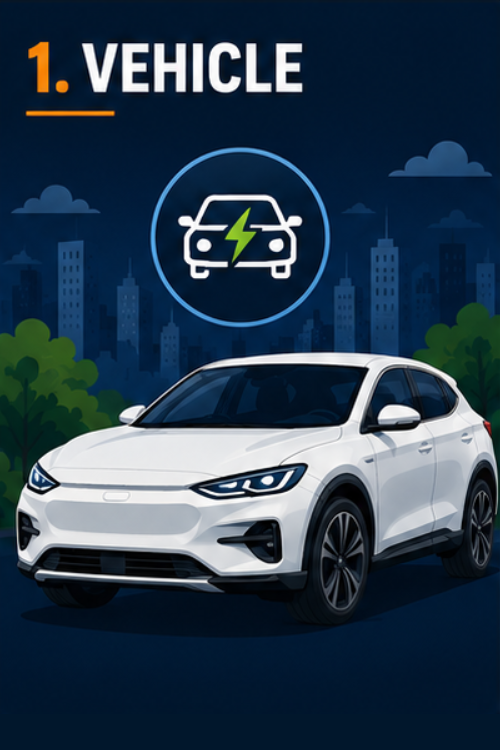
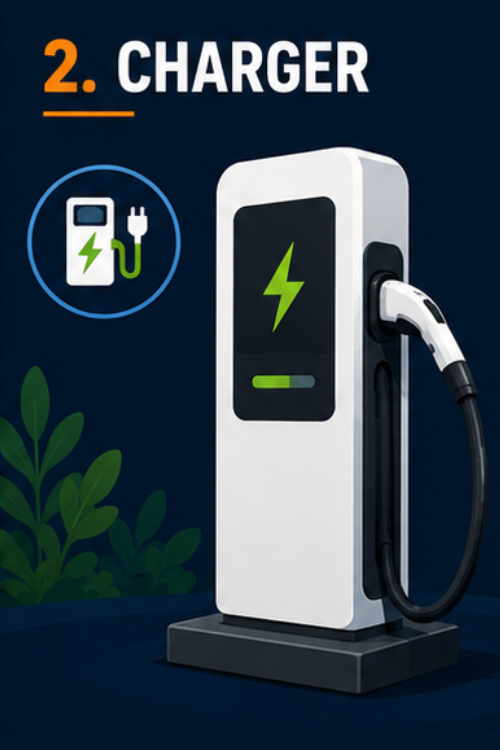
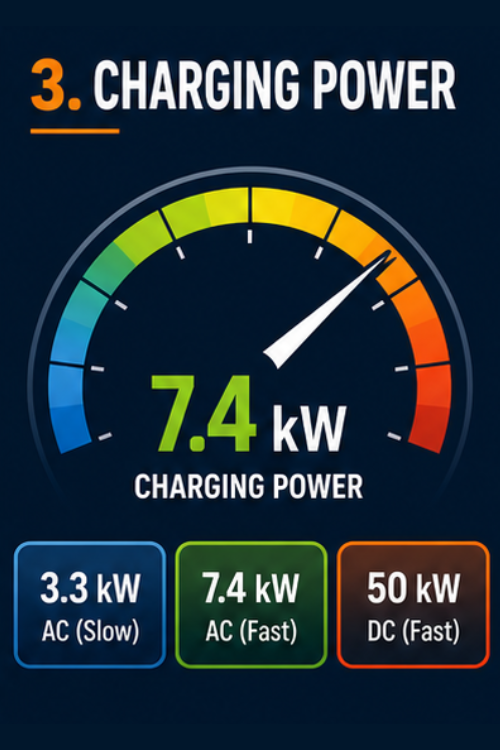
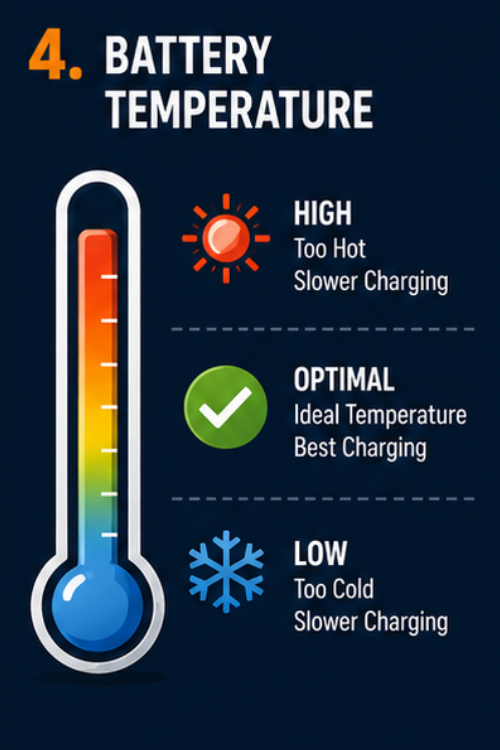
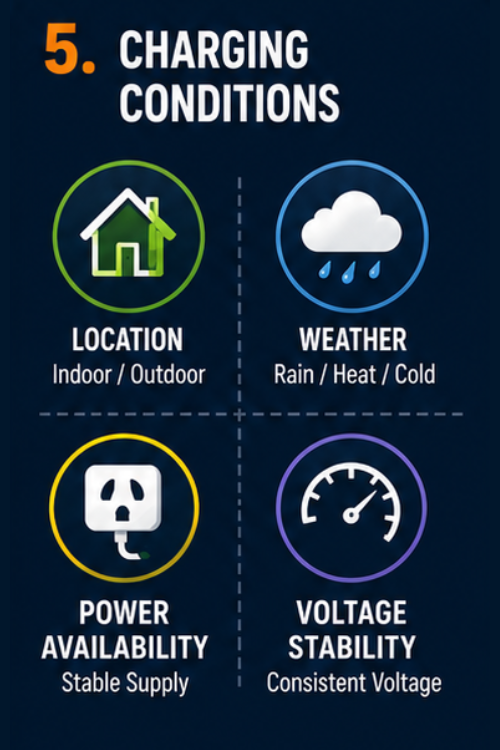
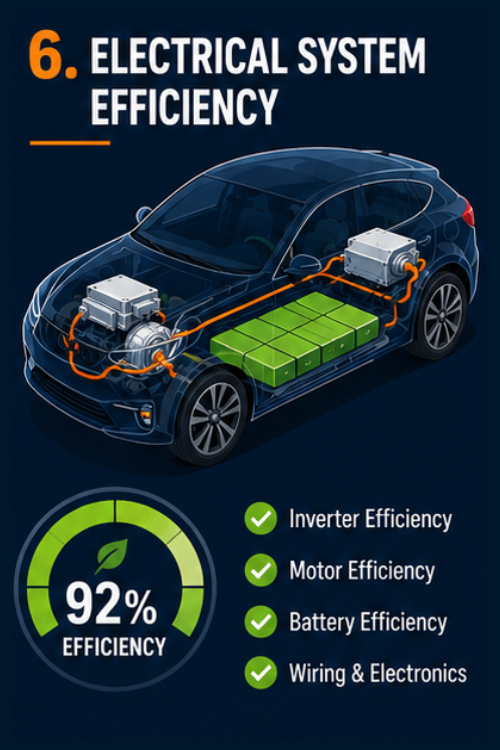
For this reason, calculations based purely on battery capacity can underestimate the actual EV charging cost in India.
AC Charging vs DC Fast Charging
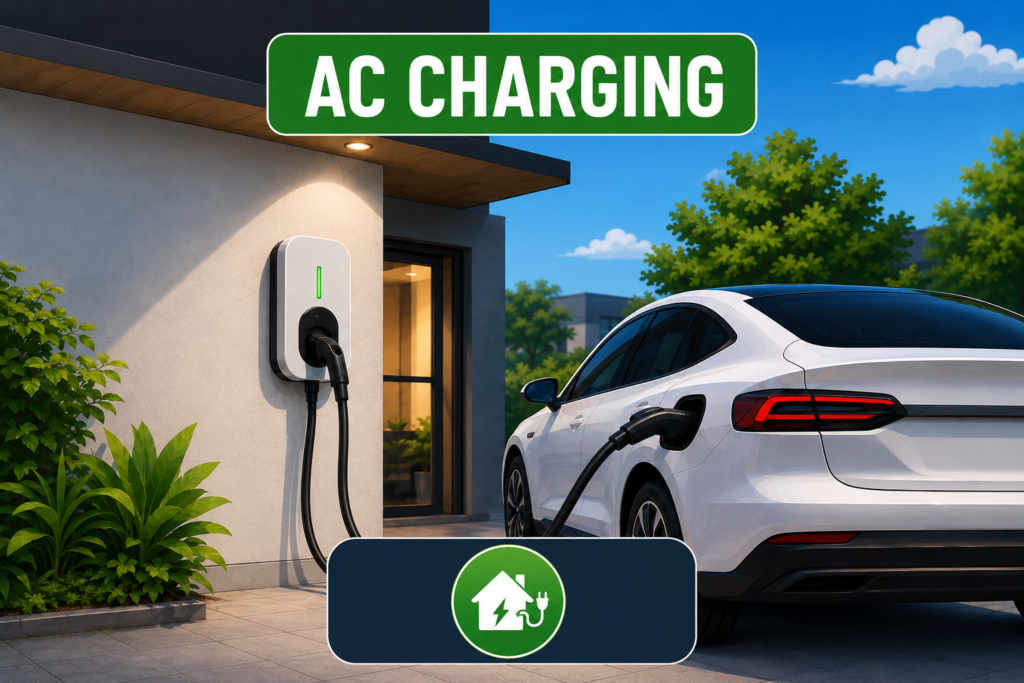
AC Charging
AC charging is commonly associated with home charging and slower public charging.
Advantages:
- Convenient for overnight charging.
- Suitable for daily commuting.
- Generally gentler and slower than DC fast charging.
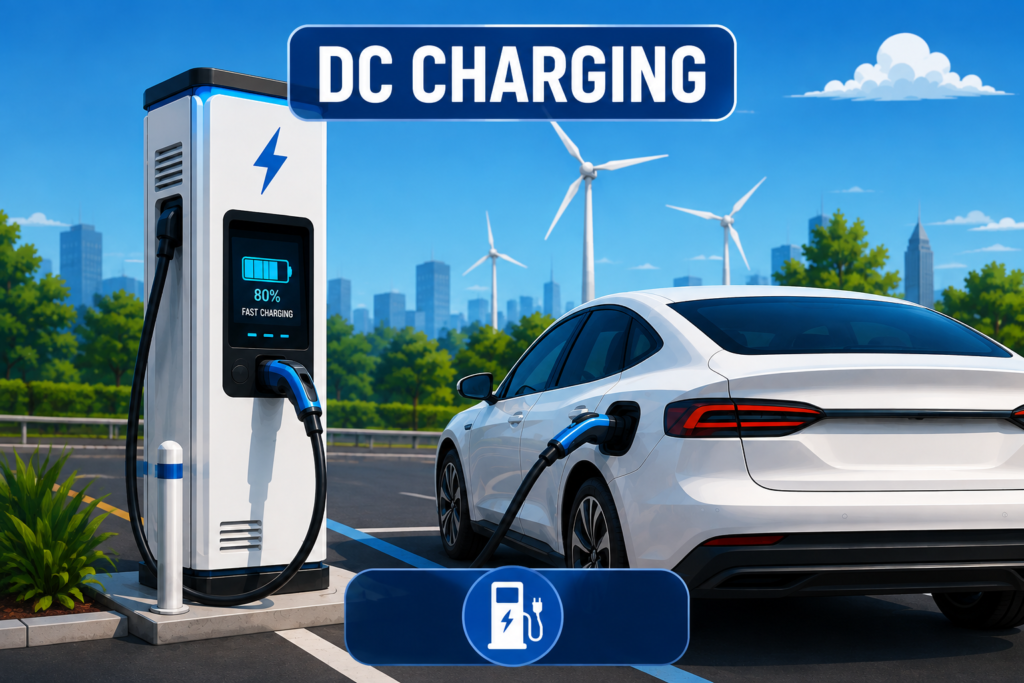
DC Fast Charging
DC fast charging sends direct current to the battery at higher power levels, allowing compatible EVs to charge much faster.
Advantages:
- Much faster charging.
- Useful during highway journeys.
- Reduces waiting time during long trips.
However, public DC charging can be more expensive than charging at home.
What Affects Public EV Charging Cost?
How to Reduce Your EV Charging Cost
If you’re already driving an electric car, there are several practical ways to keep charging expenses under control.
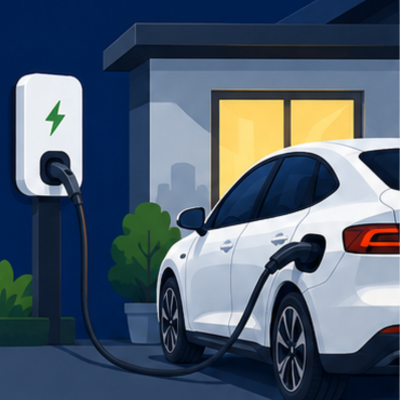
Charge Mainly at Home
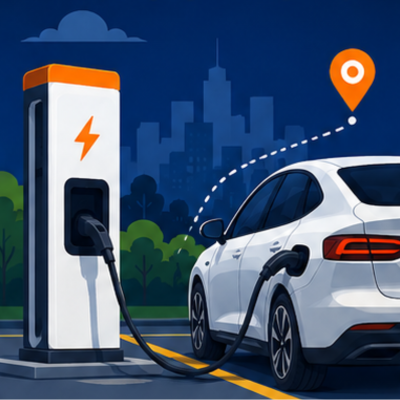
Use Public Fast Charging
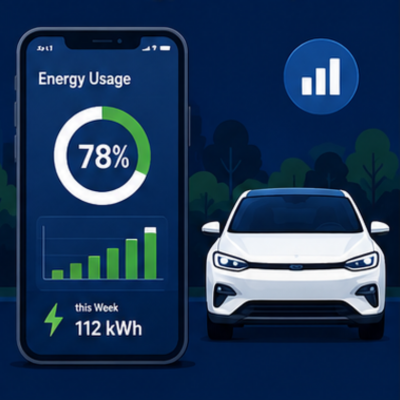
Monitor Your Energy Consumption
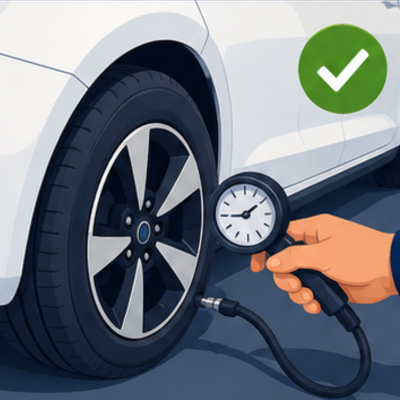
Maintain Correct Tyre Pressure
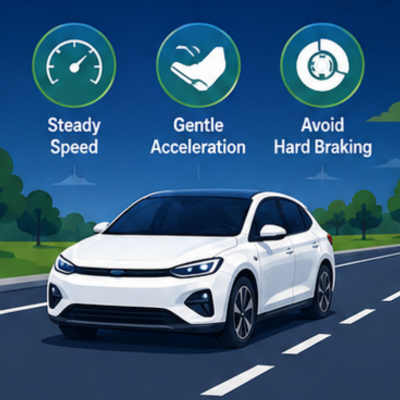
Drive Smoothly
Plan Long Trips
EV Charging Cost: Quick Comparison
| Factor | Home Charging | Public AC | Public DC Fast Charging |
|---|---|---|---|
| Typical Use | Daily charging | Occasional/top-up | Long-distance travel |
| Charging Speed | Slow–Moderate | Moderate | Fast |
| Convenience | Excellent at home | Depends on location | Excellent during travel |
| Cost | Generally lowest | Varies | Generally higher |
| Best For | Regular commuting | Flexible charging | Quick top-ups |
How Long Does It Take to Charge an Electric Car?
Charging time depends mainly on the battery size, charging power and the vehicle’s maximum charging capability.
A small EV connected to a slow AC charger may take several hours, while a compatible EV connected to a high-power DC fast charger can gain significant range in a much shorter period.
A simple way to understand it is: Charging Time ≈ Energy Required ÷ Charging Power
For example, if an EV needs approximately 20 kWh and the charger is delivering 7 kW: 20 ÷ 7 ≈ 2.9 hours
In real-world conditions, charging may take longer because charging power can vary during the session, particularly as the battery approaches a high state of charge.
🚗 AutoDesiHub Expert Tip
Don’t choose a charger based only on its maximum kW rating. Check how much charging power your particular EV can actually accept.
What Does It Cost to Install a Home EV Charger?
The cost of setting up a home charger varies considerably. It can depend on:
- Charger type and power rating
- Vehicle requirements
- Electrical wiring
- Distance between the electrical panel and parking area
- Installation complexity
- Apartment or society requirements
- Any required electrical upgrades
Some EV manufacturers include or offer home charger installation as part of the purchase package, while others may charge separately. Before installation, ask the manufacturer or authorized installer for a complete quotation rather than looking only at the price of the charger.
What Should You Check Before Installation?
Before installing a home charger, check:
- Whether your parking space has a suitable electrical connection.
- Whether your residential society permits EV charging.
- Whether your existing electrical load is sufficient.
- Whether dedicated wiring is required.
- Whether installation should be done by an authorised professional.
Can You Charge an Electric Car in an Apartment?
Yes, but apartment charging can require additional planning. For independent houses, installation is generally simpler because the parking space and electricity connection are under the owner’s control. In an apartment or housing society, you may need to coordinate with:
- Society management
- Maintenance team
- Electricity provider
- Charger installation company
You may also need to determine how the electricity consumed will be measured and billed.
Can You Charge an EV Using a Normal Home Socket?
Some EVs can be charged using a suitable portable charging cable connected to a domestic socket. However, charging speed is usually much slower than using a dedicated wall-mounted charger.
Before regularly charging this way, check the manufacturer’s recommendations regarding:
- Socket rating
- Wiring
- Earthing
- Continuous electrical load
- Charging cable requirements
For regular overnight charging, a properly installed charging solution is generally more convenient and appropriate.
Does Fast Charging Damage an EV Battery?
Modern electric vehicles are designed to support fast charging, and their battery management systems regulate charging to protect the battery.
However, frequent high-power charging can have a different impact on battery ageing compared with normal AC charging, depending on the vehicle and battery system. Battery health is influenced by several factors, including:
- Temperature
- Charging behaviour
- Battery chemistry
- Charging frequency
- Depth of discharge
- Vehicle’s battery management system
For most owners, the practical approach is simple: use fast charging when you need it and follow the manufacturer’s charging recommendations.
Common EV Charging Mistakes to Avoid
Depending Only on Public Fast Chargers
Choosing an EV Only Because Charging Is Cheap
Installing a Charger Without Checking Electrical Capacity
Ignoring Charging Losses
Not Checking Public Charger Pricing
Ignoring Tyre Pressure
Who Should Consider an Electric Car?
An EV can make particular sense if you:
- Drive regularly in the city.
- Have access to home or workplace charging.
- Travel a predictable daily distance.
- Want lower day-to-day energy costs.
- Plan to keep the car for several years.
- Are comfortable planning charging during long trips.
On the other hand, if you don’t have reliable charging access or frequently travel to areas with limited charging infrastructure, a petrol or hybrid vehicle may be more convenient.
Final Verdict
The EV charging cost in India can be significantly lower than the fuel cost of a comparable petrol or diesel car, particularly when you can charge primarily at home. But don’t judge an EV only by the cost of a full charge.
Instead, look at:
- Cost per kilometre
- Monthly kilometres
- Home electricity tariff
- Real-world energy consumption
- Availability of home charging
- Public charging requirements
- Long-distance driving needs
For a city driver with home charging, an EV can offer a very attractive running-cost advantage. For someone without home charging or with frequent long-distance travel, the calculation becomes more complicated.
The right EV isn’t necessarily the one with the biggest battery or the fastest charging speed. It is the one that matches your daily driving pattern and charging access.
🚗 AutoDesiHub Final Take
Don’t ask only, “How much does it cost to charge an EV?” Ask, “How much does it cost me to drive 1 km?” That’s the number that makes an EV-to-petrol or diesel comparison meaningful.
Frequently Asked Questions (FAQs)
Is an EV worth buying in India in 2026?
An EV can be a good choice if you have convenient charging access, drive regularly and want lower day-to-day energy costs. However, buyers who frequently travel long distances or don’t have reliable charging access should carefully evaluate their requirements before making a decision.
Can I charge my electric car at home?
Yes, many EVs can be charged at home using an appropriate charging setup. However, installation requirements vary between vehicles and homes. Always follow the manufacturer’s recommendations and use a suitable electrical installation.
Does charging an EV increase the electricity bill?
Not necessarily. The increase depends mainly on how many kilometres you drive and your electricity tariff. A driver covering fewer kilometres will naturally consume less electricity than someone driving 2,000–3,000 km every month.
How long does it take to charge an electric car?
Charging time depends on the battery size, charger power and the vehicle’s maximum charging capability. AC home charging can take several hours, while compatible DC fast chargers can significantly reduce charging time.
Is home charging better than public charging?
For regular daily use, home charging is generally more convenient and economical if you have suitable parking and electrical access. Public charging is particularly useful for long-distance travel and emergency top-ups.
How much does an EV increase the monthly electricity bill?
It depends on how much you drive. If you drive 1,000 km per month and your EV consumes 18 kWh/100 km, it would require approximately 180 kWh of electricity before accounting for charging losses.
Is public EV charging more expensive than home charging?
It can be. Public charging networks may have different rates depending on the charger, location and operator. DC fast charging can also cost more than regular home charging.