
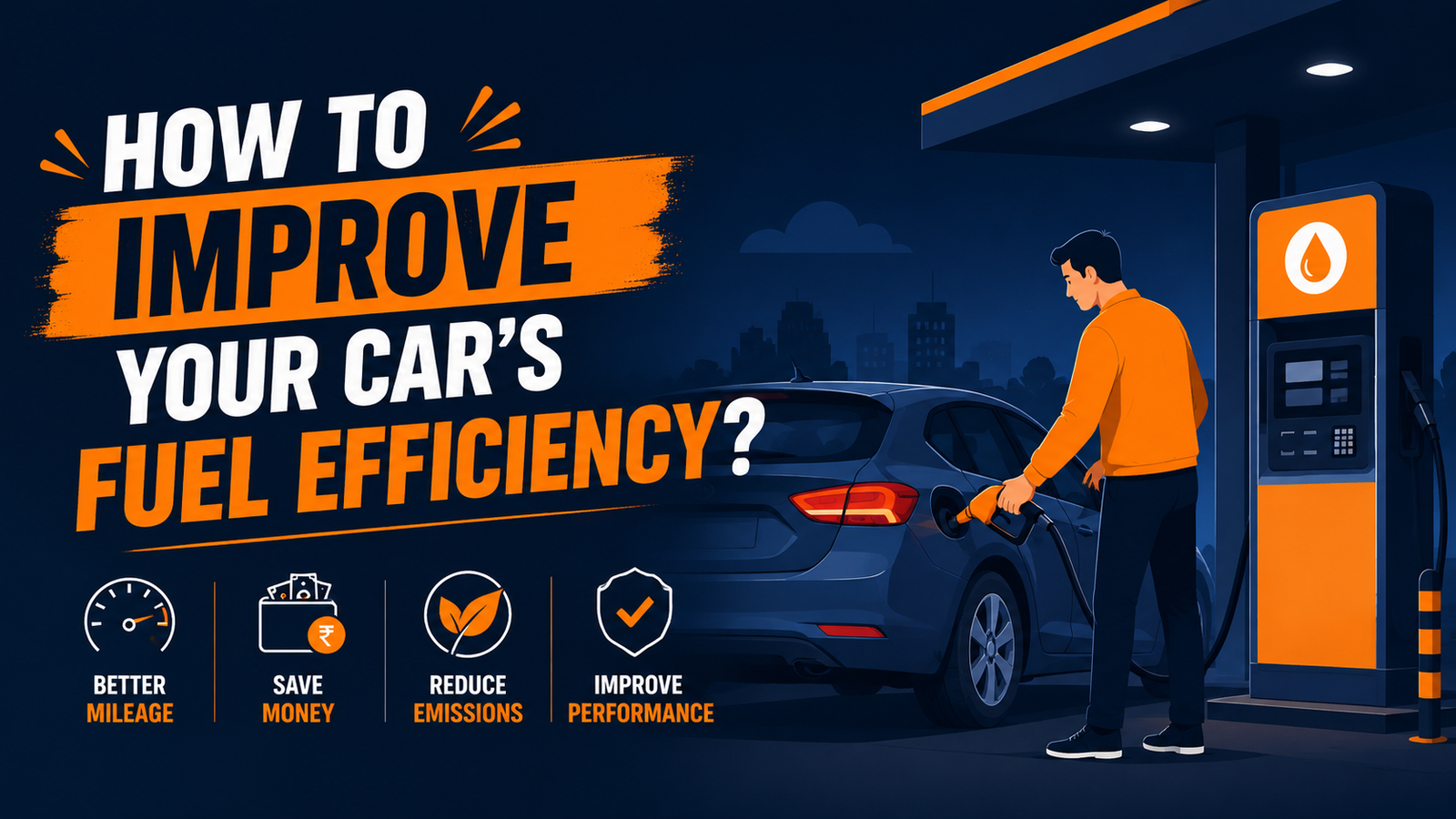
Have you ever filled up your car’s fuel tank only to realize that the fuel gauge seems to drop much faster than it used to? You’re not alone. With petrol and diesel prices continuing to affect monthly household budgets, every kilometre per litre matters.
Many car owners believe that fuel efficiency depends only on the engine or the brand of the car. In reality, your driving habits, vehicle maintenance, tyre pressure, traffic conditions and even the amount of unnecessary luggage you carry can significantly impact your mileage. The good news is that improving fuel efficiency doesn’t always require expensive modifications or buying a new car. A few simple changes in the way you drive and maintain your vehicle can help you reduce fuel consumption and save thousands of rupees every year.
Whether you drive a petrol, diesel, CNG or hybrid car, understanding how to improve your car fuel efficiency can help lower your running costs while also reducing unnecessary wear on your vehicle.
In this comprehensive guide, we’ll share 15 practical and proven tips to improve your car’s mileage. We’ll also explain the common reasons why fuel efficiency drops, clear up popular myths and answer the questions that Indian car owners search for most often. By the end of this article, you’ll know exactly what steps to take to get the best possible mileage from your car without compromising safety or driving comfort.
Quick Answer
The most effective way to improve your car’s fuel efficiency is to combine regular maintenance with smart driving habits.
Keeping the tyres properly inflated, servicing your car on time, avoiding sudden acceleration, maintaining a steady speed and reducing unnecessary idling can collectively improve real-world fuel efficiency. Most importantly, remember that there isn’t one magic trick. Better mileage comes from consistently following several good driving and maintenance practices together.
🚗 AutoDesiHub Expert Tip
Don’t judge your car’s mileage based on a single trip. Track fuel consumption over at least three to four full tank refills to get a realistic picture of your vehicle’s average fuel efficiency.
Table of Contents
Understanding What Affects Your Car’s Fuel Efficiency
Before looking at ways to improve mileage, it’s important to understand why fuel consumption varies from one driver to another—even when they own the same car. Fuel efficiency is influenced by a combination of mechanical condition, driving style, road conditions, weather and vehicle load.
For example, a well-maintained car driven smoothly on open roads is likely to deliver better mileage than the same car driven aggressively in heavy city traffic with under-inflated tyres.
Some of the biggest factors that affect fuel efficiency include:
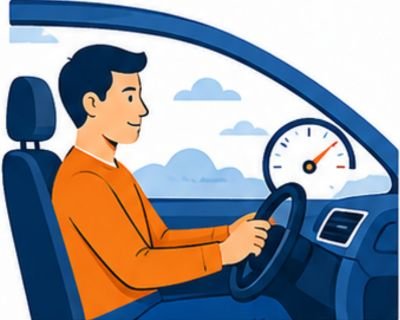
Driving Habits
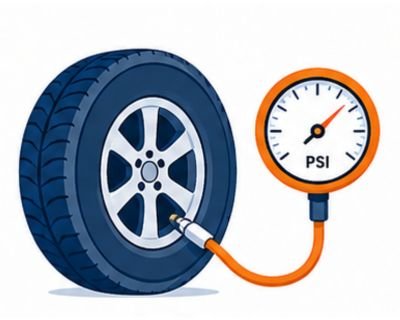
Tyre Pressure
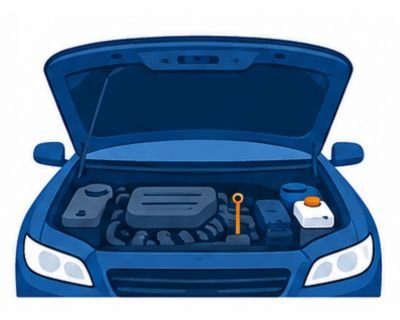
Engine Condition
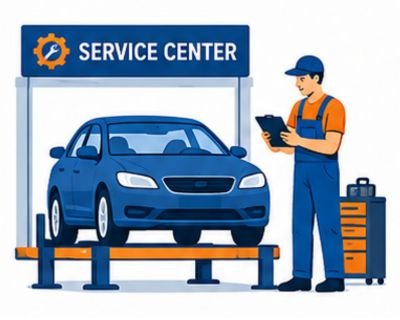
Vehicle Servicing
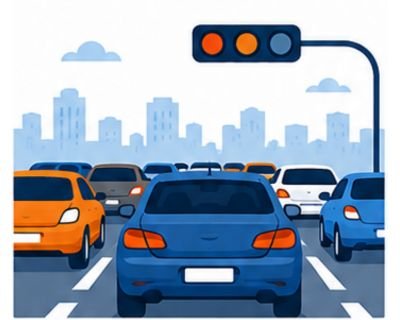
Traffic Congestion
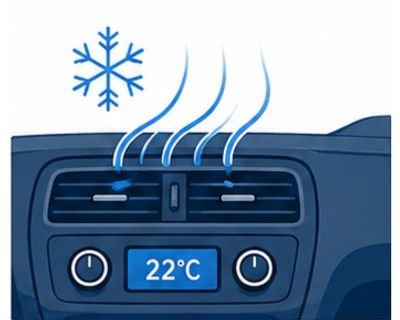
Air Conditioner Usage
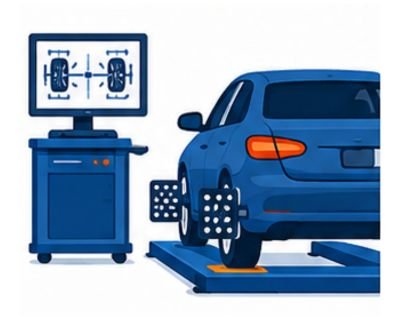
Wheel Alignment
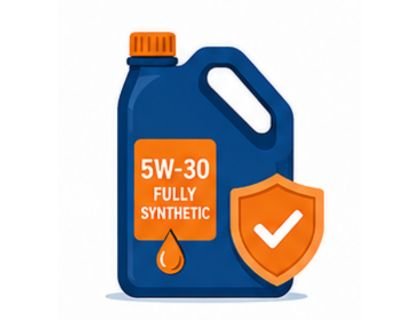
Engine Oil Quality
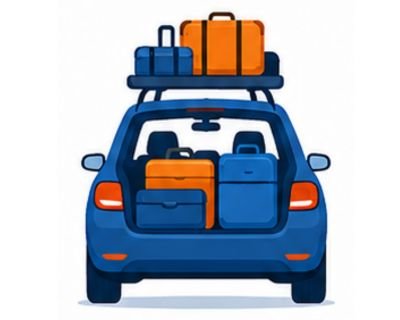
Vehicle Load
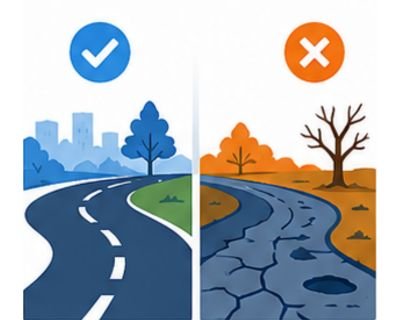
Road Conditions
⚠ Before You Buy Fuel-Saving Accessories
Be cautious of products that promise dramatic improvements in mileage. Most reputable manufacturers recommend following proper maintenance and good driving practices rather than relying on aftermarket gadgets with unverified claims.
Common Signs Your Car Is Losing Fuel Efficiency
Sometimes, a gradual drop in mileage goes unnoticed until fuel expenses start increasing. Watch out for these common warning signs:
You need to refuel more frequently than before.
Your average mileage has reduced without any major change in driving conditions.
The engine feels less responsive than usual.
Tyre pressure frequently remains below the recommended level.
The car has missed scheduled servicing.
Fuel expenses have increased despite driving the same routes.
🚗 AutoDesiHub Expert Tip
Reset your trip meter every time you fill the fuel tank. Tracking kilometres travelled between fuel refills is one of the simplest ways to monitor your car’s real-world fuel efficiency.
15 Proven Tips to Improve Your Car Fuel Efficiency
Improving your car’s fuel efficiency doesn’t require expensive modifications or advanced mechanical knowledge. In most cases, small improvements in driving habits and regular maintenance can make a noticeable difference over time.
Let’s look at 15 practical tips that can help you get better mileage from your car.
1. Maintain the Correct Tyre Pressure
Tyres play a crucial role in determining your car’s fuel efficiency. Under-inflated tyres create higher rolling resistance, forcing the engine to work harder and consume more fuel.
Always maintain the tyre pressure recommended by the manufacturer. You can usually find this information on the driver’s door frame, fuel lid or in the owner’s manual.
Check tyre pressure at least twice a month and always measure it when the tyres are cold for accurate readings.
Why it Helps
Improves mileage.
Improves braking performance and safety.
Reduces rolling resistance.
🚗 AutoDesiHub Expert Tip
Even a small drop in tyre pressure can affect fuel efficiency. Make it a habit to check tyre pressure before every long journey.
2. Avoid Sudden Acceleration and Hard Braking
Aggressive driving is one of the biggest reasons for poor fuel efficiency. Rapid acceleration forces the engine to consume more fuel, while sudden braking wastes the momentum you’ve already built.
Instead, accelerate gradually, anticipate traffic conditions, and brake smoothly whenever possible.
Why it Helps
Reduces unnecessary fuel consumption.
Improves passenger comfort.
Reduces wear on brakes and tyres.
🚗 AutoDesiHub Expert Tip
Even a small drop in tyre pressure can affect fuel efficiency. Make it a habit to check tyre pressure before every long journey.
3. Service Your Car on Time
Routine servicing is essential for maintaining fuel efficiency. Dirty filters, worn spark plugs (in petrol cars), old engine oil or neglected maintenance can reduce engine performance and increase fuel consumption.
Follow the service schedule recommended by your car manufacturer.
Why it Helps
Maintains engine efficiency.
Detects small issues before they become expensive repairs.
Improves long-term reliability.
4. Use the Recommended Engine Oil
Engine oil reduces friction between moving components inside the engine. Using the viscosity grade recommended by the manufacturer helps the engine operate efficiently.
Using an incorrect oil grade may increase resistance and reduce fuel efficiency. Always refer to your owner’s manual before choosing engine oil.
Why it Helps
Reduces engine friction
Improves engine performance.
Supports better fuel efficiency.
5. Remove Unnecessary Weight
Every extra kilogram adds to the engine’s workload. Many drivers carry unused luggage, tools, sports equipment or other heavy items in the boot for months without realizing the impact on fuel consumption. Remove anything that you don’t regularly need.
Why it Helps
Reduces engine load.
Improves acceleration.
Helps achieve better mileage.
⚠ Before You Buy
Roof carriers and roof boxes increase aerodynamic drag, especially at highway speeds. Remove them when they are not required.
6. Avoid Long Periods of Idling
Leaving your engine running while waiting outside a shop, school or office wastes fuel without covering any distance.
If you’re likely to remain stationary for more than a short period and it is safe and appropriate to do so, switching off the engine can help reduce unnecessary fuel consumption.
Many modern cars also include automatic start-stop systems that help minimize fuel wastage during traffic stops.
Why it Helps
Saves fuel.
Reduces emissions.
Minimizes unnecessary engine running time.
7. Drive at a Steady Speed
Frequent speed changes increase fuel consumption because the engine constantly adjusts to changing demands.
Maintaining a consistent speed, particularly on highways, helps the engine operate more efficiently.
Use cruise control where available and appropriate for road and traffic conditions.
Why it Helps
Improves highway fuel efficiency.
Reduces unnecessary acceleration.
Makes long-distance driving more comfortable.
8. Shift Gears at the Right Time (Manual Cars)
Driving in the wrong gear affects both performance and fuel efficiency.
Changing gears too late causes the engine to work harder, while shifting too early may reduce performance.
Learn the recommended gear-shifting pattern for your vehicle and avoid unnecessarily high engine RPM during normal driving.
Why it Helps
Improves engine efficiency.
Reduces fuel consumption.
Provides smoother driving.

Your car’s transmission also influences real-world fuel efficiency. Learn more in our guide on
Automatic vs Manual Car: Which One is Better for Indian Roads? (2026 Guide)
9. Use Cruise Control on Highways
If your car is equipped with cruise control, using it on open highways can help maintain a steady speed.
Avoid using cruise control in heavy traffic, winding roads, steep hills or poor weather conditions where manual control is safer.
Why it Helps
Maintains consistent speed.
Reduces unnecessary acceleration.
Improves highway mileage.
10. Keep the Air Filter Clean
A clean air filter allows the engine to receive sufficient airflow for efficient combustion.
A clogged air filter can reduce engine performance and may affect fuel efficiency, depending on the vehicle and operating conditions.
Inspect and replace the air filter according to the manufacturer’s maintenance schedule.
Why it Helps
Supports efficient combustion.
Helps maintain engine performance.
Contributes to consistent fuel efficiency.
11. Use Good Quality Fuel
Always fill your car with fuel from reputable fuel stations.
Using contaminated or poor-quality fuel can affect engine performance and may lead to maintenance issues over time.
Unless your manufacturer specifically recommends premium fuel, using higher-octane fuel does not automatically improve mileage.
Why it Helps
Maintains smooth engine operation.
Reduces the risk of fuel contamination.
Supports long-term engine health.
💡 Did You Know?
Premium petrol improves performance only in vehicles designed to use it. For most regular cars, following the manufacturer’s fuel recommendation is the best approach.
12. Plan Your Trips Efficiently
Several short trips from a cold engine often consume more fuel than one well-planned journey covering multiple stops.
Whenever possible, combine errands into a single trip and choose routes that avoid unnecessary traffic congestion. Navigation apps can also help identify faster routes based on real-time traffic conditions.
Why it Helps
Reduces unnecessary driving.
Saves time and fuel.
Improves overall efficiency.
13. Use Air Conditioning Wisely
Your car’s air conditioning system places an additional load on the engine, particularly during hot weather.
Use the AC sensibly and avoid setting the temperature unnecessarily low. Once the cabin becomes comfortable, maintaining a moderate temperature can help balance comfort and fuel efficiency.
Why it Helps
Supports better fuel economy.
Reduces unnecessary engine load.
Improves overall driving efficiency.
14. Check Wheel Alignment and Balancing
Incorrect wheel alignment increases rolling resistance and causes uneven tyre wear.
If your car pulls to one side, the steering feels off-centre, or the tyres show uneven wear, have the alignment inspected by a qualified technician.
Why it Helps
Improves straight-line stability.
Extends tyre life.
Helps maintain better fuel efficiency.
15. Monitor Your Mileage Regularly
Many drivers don’t notice a drop in fuel efficiency until fuel expenses increase significantly.
Maintain a simple record of kilometres travelled and fuel filled after every refill. This helps identify gradual changes in mileage and may alert you to potential mechanical issues.
Most modern cars also display average fuel economy through the instrument cluster or infotainment system.
Why it Helps
Detects problems early.
Makes maintenance planning easier.
Helps evaluate driving habits.
Fuel Efficiency Myths You Should Stop Believing
Premium Petrol Always Gives Better Mileage
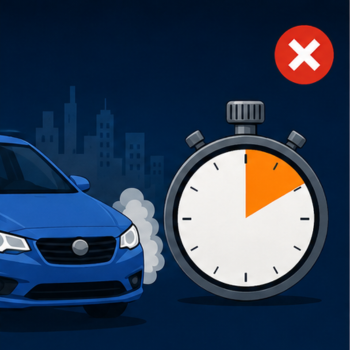
Warming Up the Engine for Several Minutes Saves Fuel
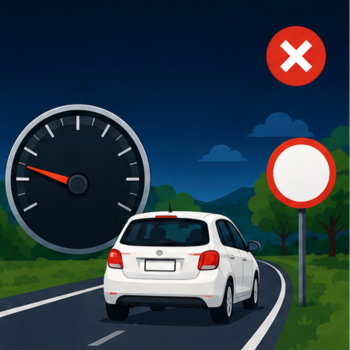
Driving Very Slowly Always Improves Mileage
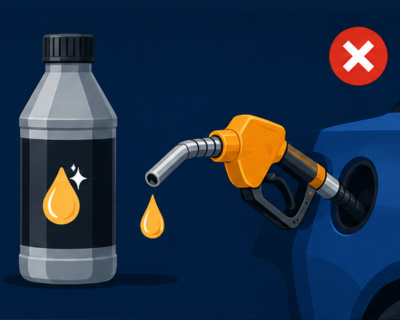
Fuel Additives Always Improve Mileage
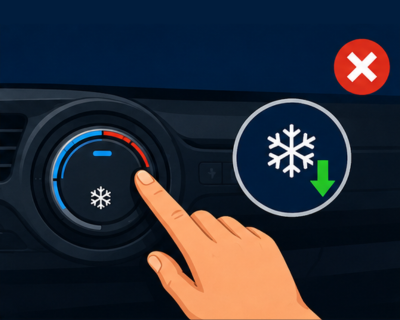
Turning Off the AC Always Saves More Fuel
AutoDesiHub Recommends
| Driver Profile | Our Recommendation | Why? |
|---|---|---|
| Daily Office Commuter | Focus on smooth driving and avoiding idling | Best for city traffic |
| Highway Traveller | Maintain a steady speed and correct tyre pressure | Improves long-distance mileage |
| Petrol Car Owner | Follow service intervals and use the recommended engine oil | Keeps the engine efficient |
| Diesel Car Owner | Avoid delaying maintenance and use quality fuel | Supports long-term performance |
| Hybrid Car Owner | Drive smoothly and use regenerative braking effectively | Maximises hybrid efficiency |
| Family Car Owner | Remove unnecessary luggage and maintain tyre pressure | Reduces fuel consumption during everyday use |
30-Second Fuel Efficiency Health Check
Use this quick checklist once every month.
| Question | Yes | No |
|---|---|---|
| Are all tyres at the recommended pressure? | ☐ | ☐ |
| Was the last service completed on time? | ☐ | ☐ |
| Is the engine oil due for replacement? | ☐ | ☐ |
| Is your air filter clean? | ☐ | ☐ |
| Do you avoid harsh acceleration? | ☐ | ☐ |
| Do you avoid unnecessary idling? | ☐ | ☐ |
| Is your boot free of unnecessary weight? | ☐ | ☐ |
| Is your wheel alignment correct? | ☐ | ☐ |
| Do you track your mileage after every fuel refill? | ☐ | ☐ |
| Are you using the recommended fuel for your car? | ☐ | ☐ |
Score Yourself:
- 9–10 Yes: Excellent! You’re already following good fuel-saving practices.
- 6–8 Yes: Good, but there’s room for improvement.
- 0–5 Yes: Start working on the basics to improve your car’s fuel efficiency and reduce fuel costs.
Final Verdict
Improving your car fuel efficiency doesn’t require expensive upgrades or complicated techniques. In most cases, consistent maintenance and responsible driving habits are the keys to better mileage. Simple actions such as maintaining the correct tyre pressure, servicing your car on time, driving smoothly, avoiding unnecessary idling and removing excess weight can reduce fuel consumption and lower your running costs.
Remember, there is no single trick that instantly transforms your car’s mileage. Fuel efficiency is the result of many small habits working together. If you make even a few of the changes discussed in this guide, you’ll not only save money on fuel but also help your car perform more efficiently and stay in better condition for years to come.
Frequently Asked Questions (FAQs)
How can I improve my car fuel efficiency?
The best way to improve your car’s fuel efficiency is by combining regular maintenance with smart driving habits. Keep your tyres properly inflated, service your car on time, avoid sudden acceleration and hard braking, maintain a steady speed, and remove unnecessary weight from the vehicle. Small improvements in multiple areas often deliver better results than relying on a single tip.
What reduces a car fuel efficiency the most?
Several factors can reduce fuel efficiency, including:
– Under-inflated tyres
– Aggressive driving
– Heavy traffic
– Delayed servicing
– Dirty air filters
– Incorrect engine oil
– Carrying unnecessary weight
– Poor wheel alignment
Regular maintenance and smooth driving can help minimize these issues.
Does tyre pressure affect fuel mileage?
Yes. Under-inflated tyres increase rolling resistance, causing the engine to work harder and consume more fuel. Maintaining the manufacturer’s recommended tyre pressure can improve both fuel efficiency and tyre life.
Does using the air conditioner reduce fuel efficiency?
Yes, the air conditioning system places an additional load on the engine, which can slightly increase fuel consumption. However, using the AC sensibly for comfort is perfectly reasonable. There’s no need to avoid it completely, especially during hot Indian summers.
What is the ideal speed for better fuel efficiency?
While it varies by vehicle, most cars are generally more fuel-efficient when driven at a steady, moderate speed rather than with frequent acceleration and braking. Consistency is usually more important than driving either very slowly or very fast.
Can engine oil affect fuel efficiency?
Yes. Using the engine oil grade recommended by the manufacturer helps reduce internal engine friction and supports efficient operation. Always follow the specifications mentioned in your owner’s manual.
Why has my car’s mileage suddenly dropped?
A sudden drop in mileage may be caused by low tyre pressure, overdue servicing, clogged air filters, poor wheel alignment, changes in driving habits or increased traffic conditions. If the problem continues despite basic checks, have the vehicle inspected by a qualified technician.
Should I switch off the engine during long traffic signals?
If you’re likely to remain stationary for an extended period and it is safe and practical to do so, switching off the engine can help reduce unnecessary fuel consumption. Many modern cars also include automatic start-stop systems for this purpose.
How can I calculate my car’s real fuel efficiency?
The most accurate method is the full tank-to-full tank method:
1. Fill the fuel tank completely.
2. Reset the trip meter.
3. Drive normally.
4. Refill the tank to full.
5. Divide the kilometres travelled by the litres required to refill the tank.
This gives you your car’s real-world fuel efficiency.
1 thought on “How to Improve Your Car’s Fuel Efficiency: 15 Proven Tips to Get Better Mileage in India (2026 Guide)”
Comments are closed.